he Role of the Regenerative Learning Center
Sustainable change in agriculture requires more than short-term interventions—it depends on continuous learning, experimentation, and knowledge sharing. Recognizing this, the Youth Initiative for Community Empowerment (YICE Uganda) established the Regenerative Learning Center as a hub for practical training and innovation.
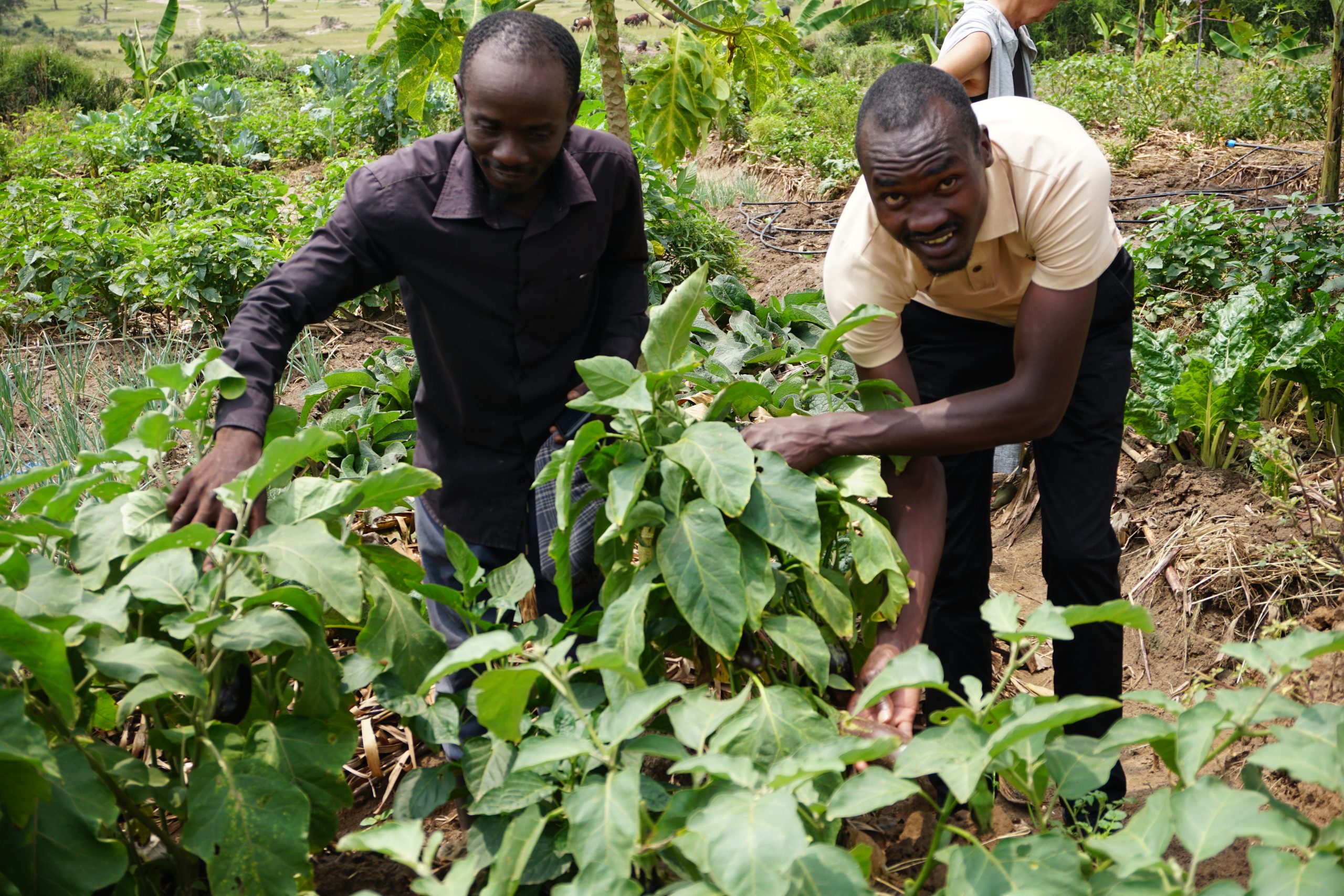
The center serves as a space where farmers, youth, and community leaders can gain hands-on experience in sustainable agriculture. Rather than relying solely on theory, participants engage directly with demonstration gardens, composting systems, water management techniques, and regenerative farming practices. This practical approach makes it easier for learners to understand, apply, and replicate what they have learned in their own communities.
One of the key strengths of the Regenerative Learning Center is its role in bridging knowledge gaps. Many smallholder farmers lack access to formal agricultural education or extension services. The center addresses this by providing accessible, locally relevant training that responds to the real challenges farmers face.
It also acts as a platform for innovation and experimentation. New techniques can be tested, adapted, and refined before being introduced more widely. This ensures that the solutions promoted are not only effective but also suitable for local environmental and economic conditions.
Beyond training individuals, the center supports a ripple effect within communities. Participants often go on to share their knowledge with others, creating networks of learning and collaboration. This helps scale impact without requiring significant additional resources.
The Regenerative Learning Center is more than a training facility—it is a catalyst for long-term change. By equipping people with practical skills and fostering a culture of continuous learning, YICE Uganda is building a foundation for more resilient, self-sustaining agricultural systems across the region.