Regenerative farming for displaced earmers (Re-Farm)
Transforming Agriculture, Restoring Ecosystems
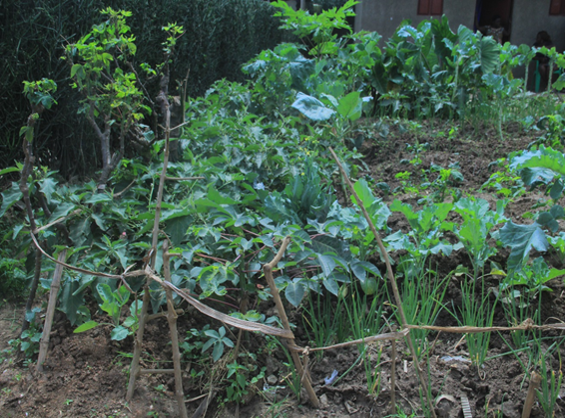
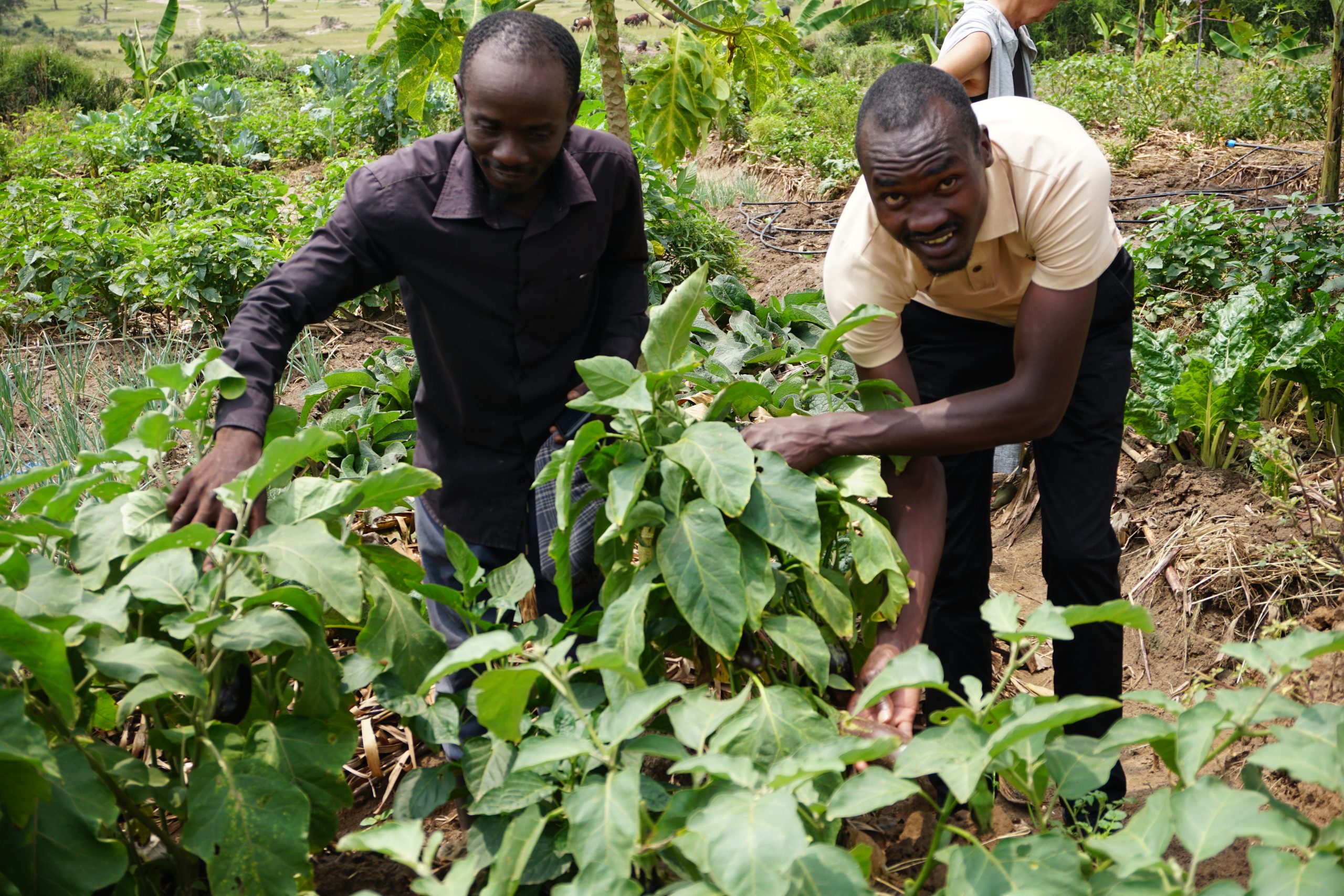
Regenerative farming goes beyond food production, it rebuilds soil fertility, conserves water, boosts biodiversity, captures carbon, and turns degraded land into productive farms. Unlike conventional agriculture, which often depletes resources, regenerative farming works in harmony with nature, creating sustainable food systems that benefit both people and the planet.
Why It matters for mefugee communities
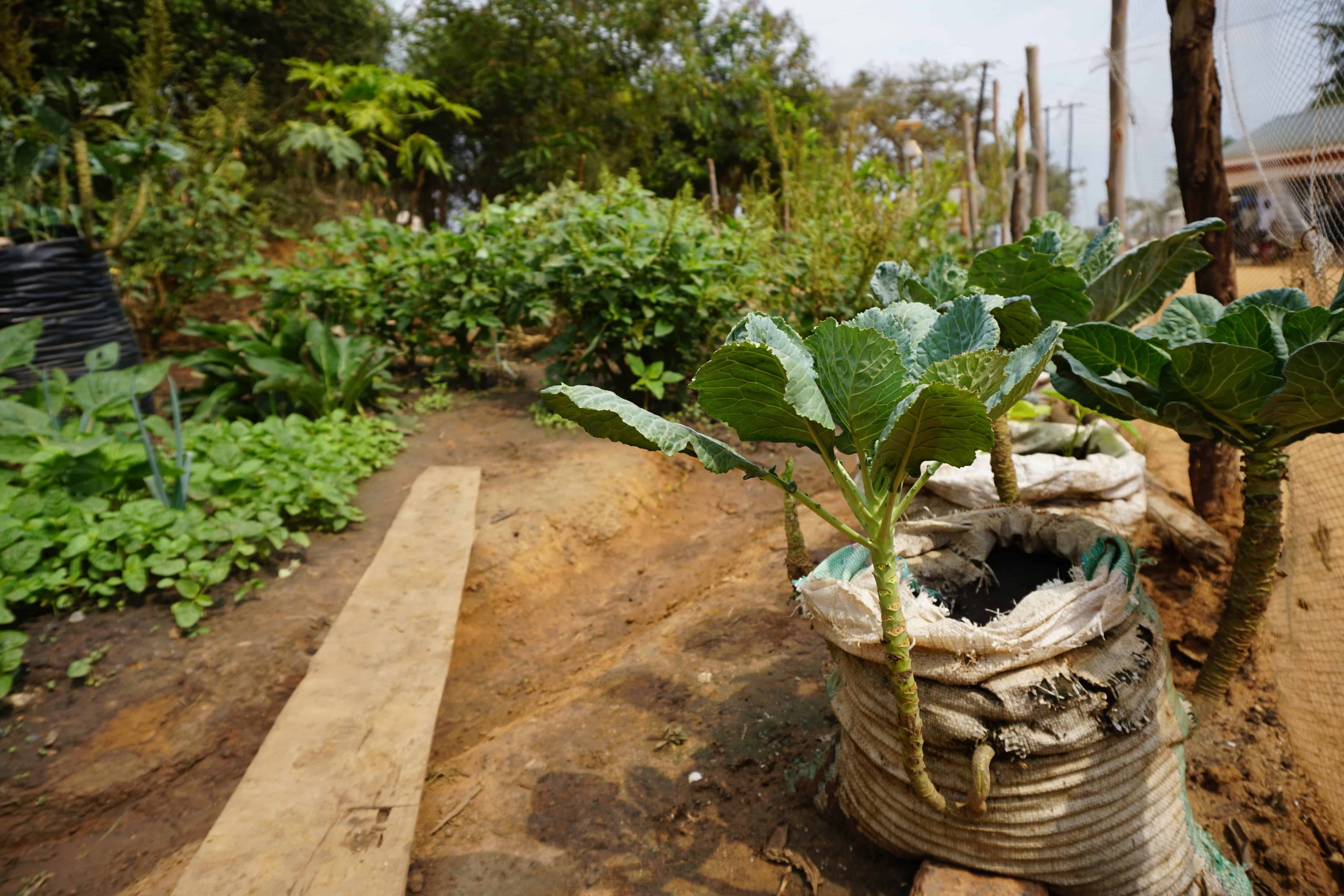
Refugee families are often resettled in areas with limited fertile land, scarce water, and few resources. Conventional farming methods are expensive and unsustainable in such contexts. Regenerative farming provides an affordable, practical, and nature-based alternative, enabling displaced communities to:
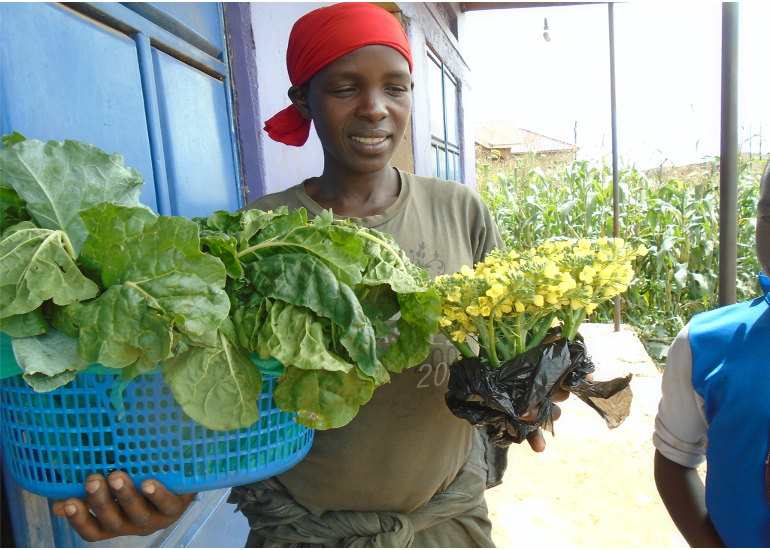
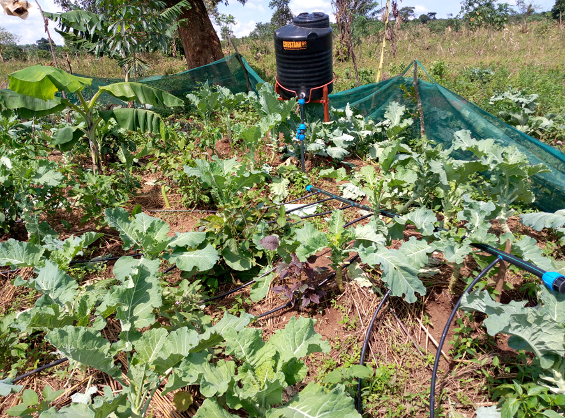
Families can grow diverse, nutrient-rich foods that improve nutrition and reduce dependence on food aid. Low-cost techniques like composting, mulching, and natural pest control make farming affordable while protecting the environment. Beyond food, regenerative agriculture opens avenues for income through organic produce, seeds, and bio-fertilizers, and fosters collaboration between refugees and host communities, strengthening social cohesion.
Why It matters for refugee communities
Smallholder farmers in Uganda have increasingly relied on chemical-based farming practices, leading to degraded soils, reduced biodiversity, and weakened food security. Regenerative agriculture is critical to reverse these trends, restore ecosystems, and ensure long-term resilience and food security
YICE’s six-year journey
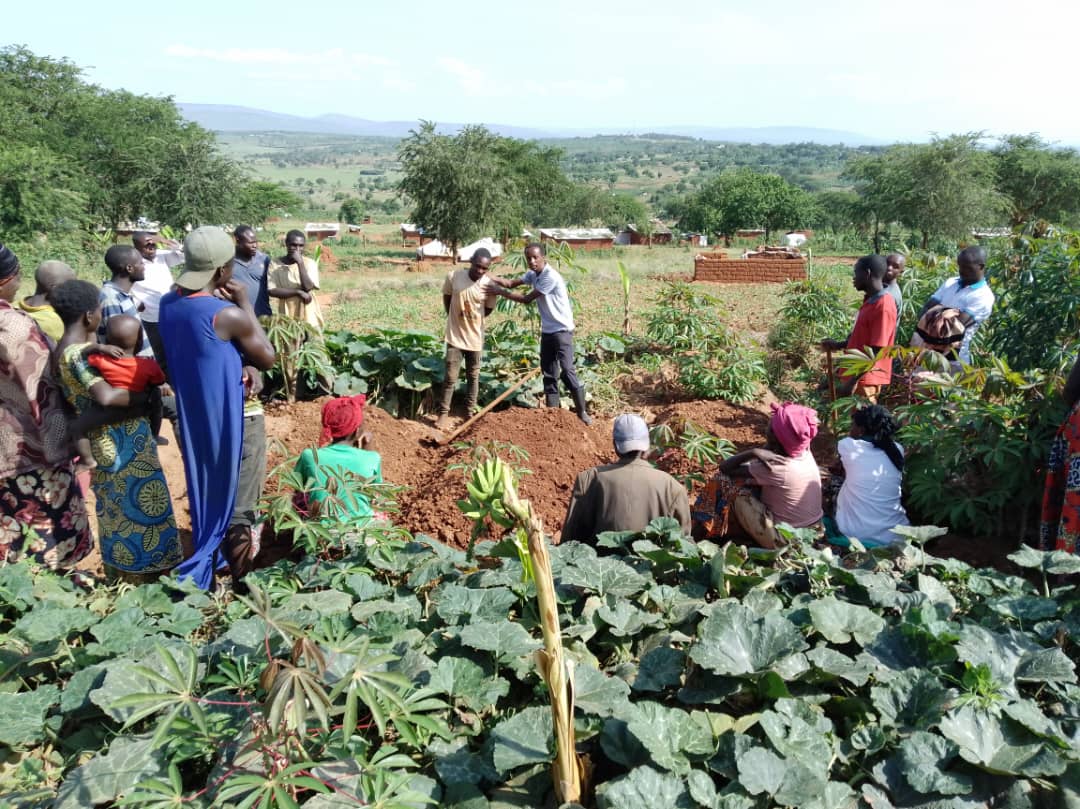
For over six years, YICE has promoted regenerative farming among smallholder and displaced communities through:
 January 11, 2025
 January 27, 2025
 January 27, 2025
 January 27, 2025