- Written by: admin
- January 27, 2025
Empowering Women and Youth Through Agriculture
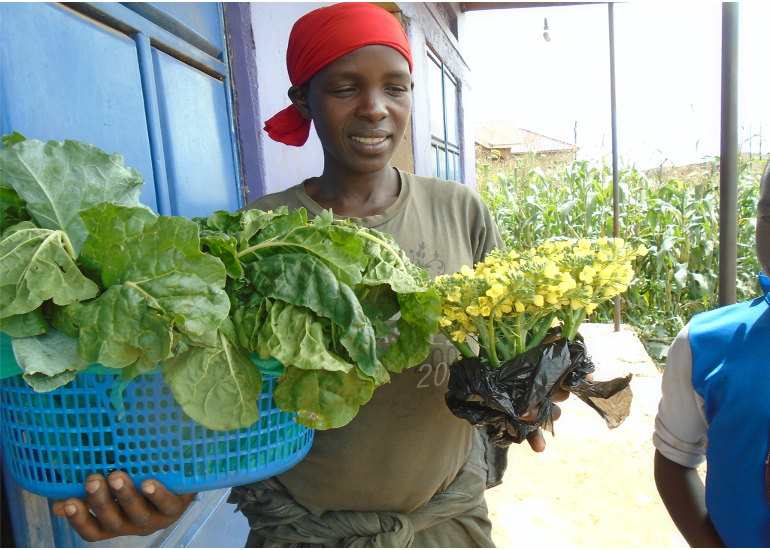
Women and youth play a critical role in agriculture across Uganda, yet they often face significant barriers to accessing land, resources, training, and financial opportunities. Despite being central to food production, many remain excluded from decision-making processes and economic benefits. Addressing this gap is essential for building inclusive and sustainable communities.
The Youth Initiative for Community Empowerment (YICE Uganda) places women and youth at the heart of its programs, recognizing their potential as drivers of change. By providing targeted training and support, the organization equips these groups with practical agricultural skills and knowledge that can be directly applied to improve their livelihoods.
Through hands-on learning, participants are introduced to sustainable farming practices, small-scale agribusiness development, and resource management. These skills not only enhance productivity but also open up opportunities for income generation. For many young people, agriculture becomes a viable and attractive livelihood option rather than a last resort.
In addition to technical training, YICE Uganda supports the formation of savings and self-help groups. These groups provide a platform for members to pool resources, access small loans, and invest in income-generating activities. This approach strengthens financial independence while fostering a sense of community and shared responsibility.
Empowering women has a particularly strong ripple effect. When women have access to resources and income, they are more likely to invest in their families’ well-being, including education, nutrition, and healthcare. Similarly, when youth are engaged in productive activities, communities benefit from reduced unemployment and increased innovation.
By focusing on inclusion and capacity building, YICE Uganda is helping to unlock the potential of women and youth. The result is not only improved livelihoods for individuals, but also stronger, more resilient communities that are better equipped to shape their own future.